Article contributed by:
Physician Queck Kwang Jie
Registered Traditional Chinese Medicine (TCM) Physician
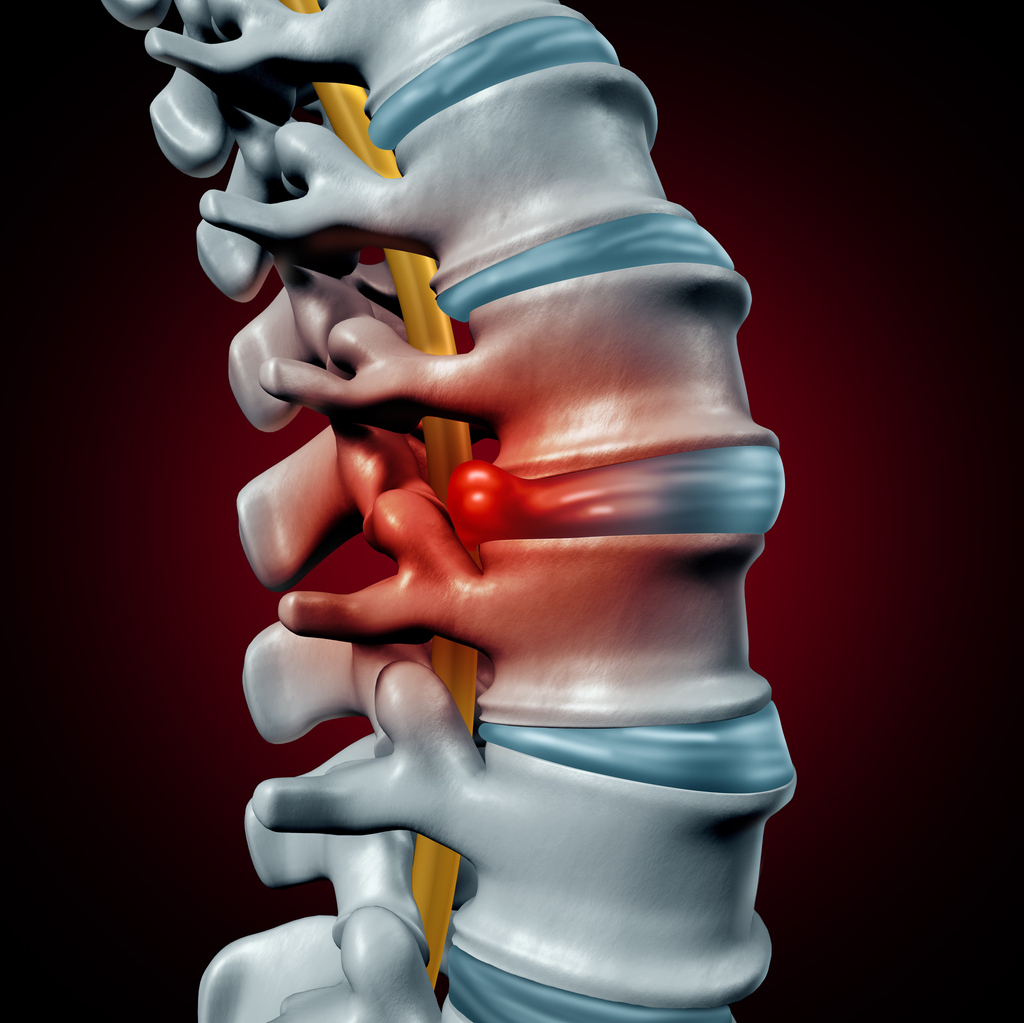
Back pain is something that many people have experienced. Especially when the pain is severe, it can even prevent one from walking, which is a memory that many people will never forget. People will find that back pain seems to occur more frequently as they get older. I still remember my teacher once said, "When a patient comes for back pain, then the doctor will get a headache." Because there are so many causes that can lead to back pain in clinical practice, it requires careful evaluation to protocol the corresponding treatment plan. Here, let's talk about a common cause of back pain: Lumbar Disc Protusion.
Lumbar disc protrusion - this term is surely familiar to many people, especially after undergoing a medical check-up at the hospital. A lot of people may see such a term appear in the report but cannot truly understand it. To help everyone understand this disease, we first need to understand the structure of the spine. There is a layer of cartilage disc between the vertebrae, and in the middle is a gel-like substance called the nucleus pulposus. Surrounding the nucleus pulposus is a ring of fibrous cartilage called the annulus fibrosus. As people age, the fluid within the annulus fibrosus decreases, making it gradually more fragile and unable to hold the nucleus pulposus. Or for those who are frequently engaged in heavy physical labour, or those who suddenly suffer from severe trauma, all these can cause the nucleus pulposus cannot stay properly within the annulus fibrosus and flow out then oppress on the nerve roots. Thus, lumbar disc herniation occurs. Theoretically, disc herniation can occur in any spinal segment.Why does it often occur in the lumbar region? Because the lumbar vertebrae bear most of the weight of the upper body of the human body and are also the segment of the spine that bears the most pressure.
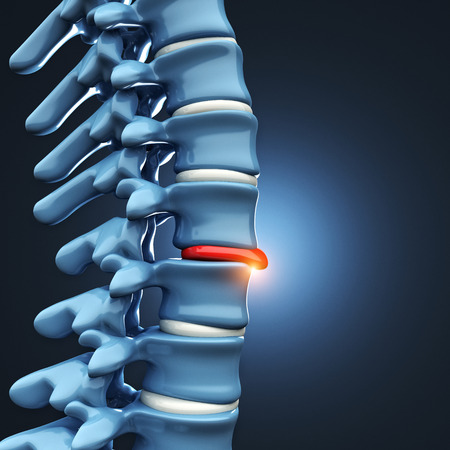
At this point, many people will naturally think of a question: If I have lumbar intervertebral disc protrusion, do I need surgery? At this time, we can learn about the classification of lumbar intervertebral disc protrusion first. According to the level of intervertebral disc protrusion, it can be clinically divided into four stages: bulging disc, herniated disc, extruded disc, and sequestered disc.
The earliest stage is bulging disc, where the inner layer of the fibrous ring is ruptured, while the outer layer is intact. The nucleus pulposus causes the fibrous ring to bulge, and there may be mild lower back pain or no clinical manifestations. Most people discover it through medical check-up. As the nucleus pulposus flows out of the outer layer of the fibrous ring and forms protrusion, it forms adhesion with surrounding tissues, causing the intervertebral space to narrow. If the nerve root is stimulated, especially during sudden increases in abdominal pressure such as coughing or sneezing, then pain, numbness, and an electric shock sensation will occur from the lower back to the lower limbs. Finally, the fibrous ring ruptures and the nucleus pulposus protrudes into the intervertebral space, directly compressing the dural sac and nerve roots. In addition to the above symptoms, if the cauda equina nerve is compressed, there will be anal area pain, difficulty in urination, incontinence, and sexual dysfunction may also occur in male patients. The protruded nucleus pulposus after a period of time, separates from the intervertebral disc itself and moves freely to the upper and lower segments of the affected vertebrae. Clinically, it presents with persistent nerve compression symptoms, that is, persistent lower back and lower limb pain. When the lumbar disc herniation develops into extruded disc and sequestered disc stage, surgical treatment is always required.

At this point, many people may ask, what can traditional Chinese medicine do for patients with lumbar disc protrusion? First of all, traditional Chinese medicine emphasizes "prevention is better than treatment". Before symptoms appear or before being diagnosed as lumbar disc protrusion, traditional Chinese medicine can use manipulation therapy combined with herbal medicine to improve the condition of lumbar facet joint disorder or lumbar muscle strain, and slow down the degeneration of the intervertebral disc. For patients with lumbar intervertebral disc protrusion in the bulging or herniated stage, traditional Chinese medicine can use acupuncture, cupping, external application of herbal medicine, and Chinese herbal medicine to relieve the adhesion of the surrounding tissues of the intervertebral disc, reduce the pressure in the spinal canal, and thereby alleviate the symptoms of pain and discomfort. For patients who have undergone surgery for lumbar disc protrusion, TCM Physician can also recover their body condition through Chinese herbal medicine.
Furthermore, we should also start changing our lifestyle. In daily life, we should avoid heavy lifting or overly strenuous exercises to prevent damage to our lower backs. For those who need to sit or stand for long periods at work, they should keep their backs straight to avoid hunching and bending, therefore reducing the pressure on the intervertebral discs. At the same time, doing appropriate exercises to strengthen the core muscles can maintain the stability of the spine.